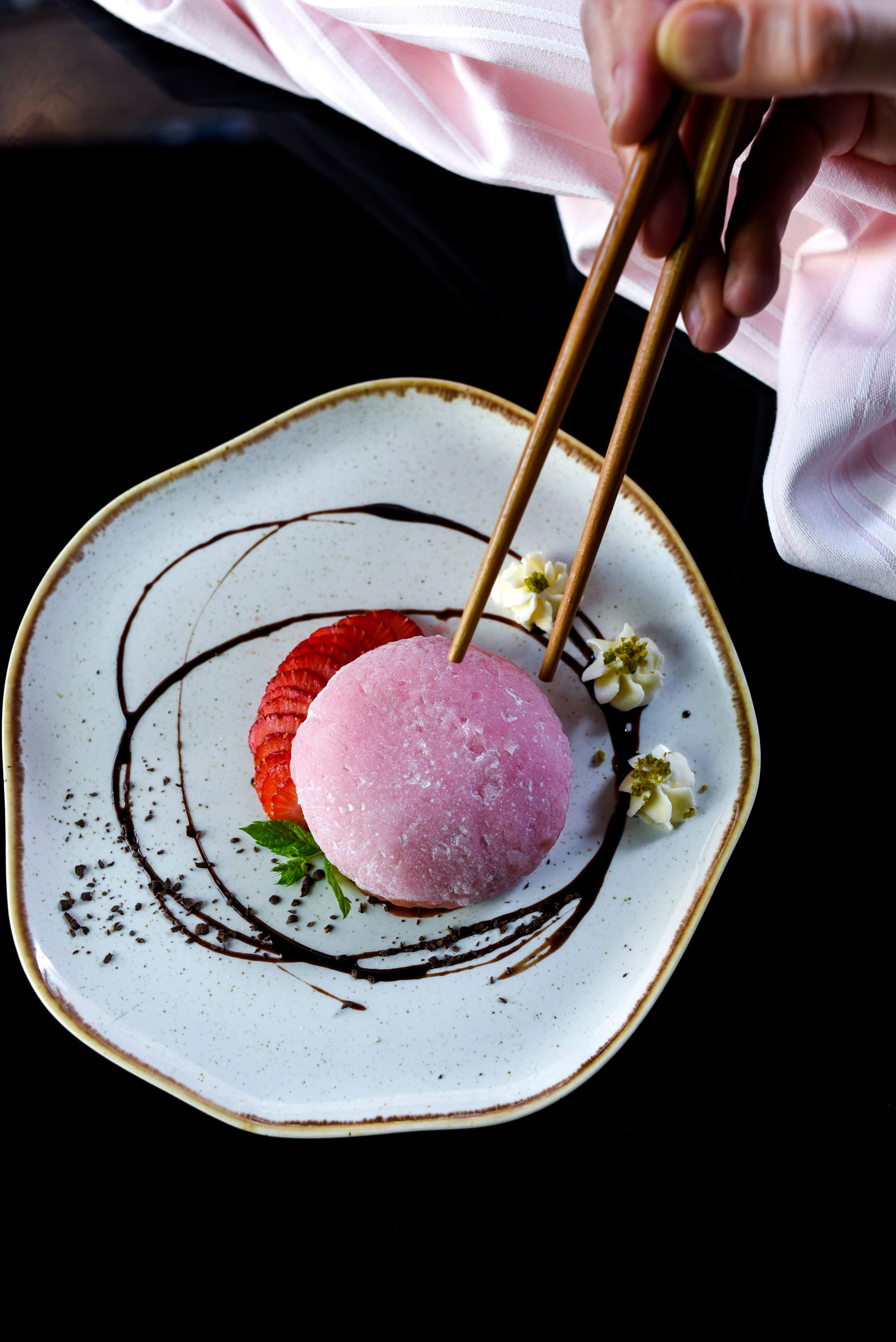
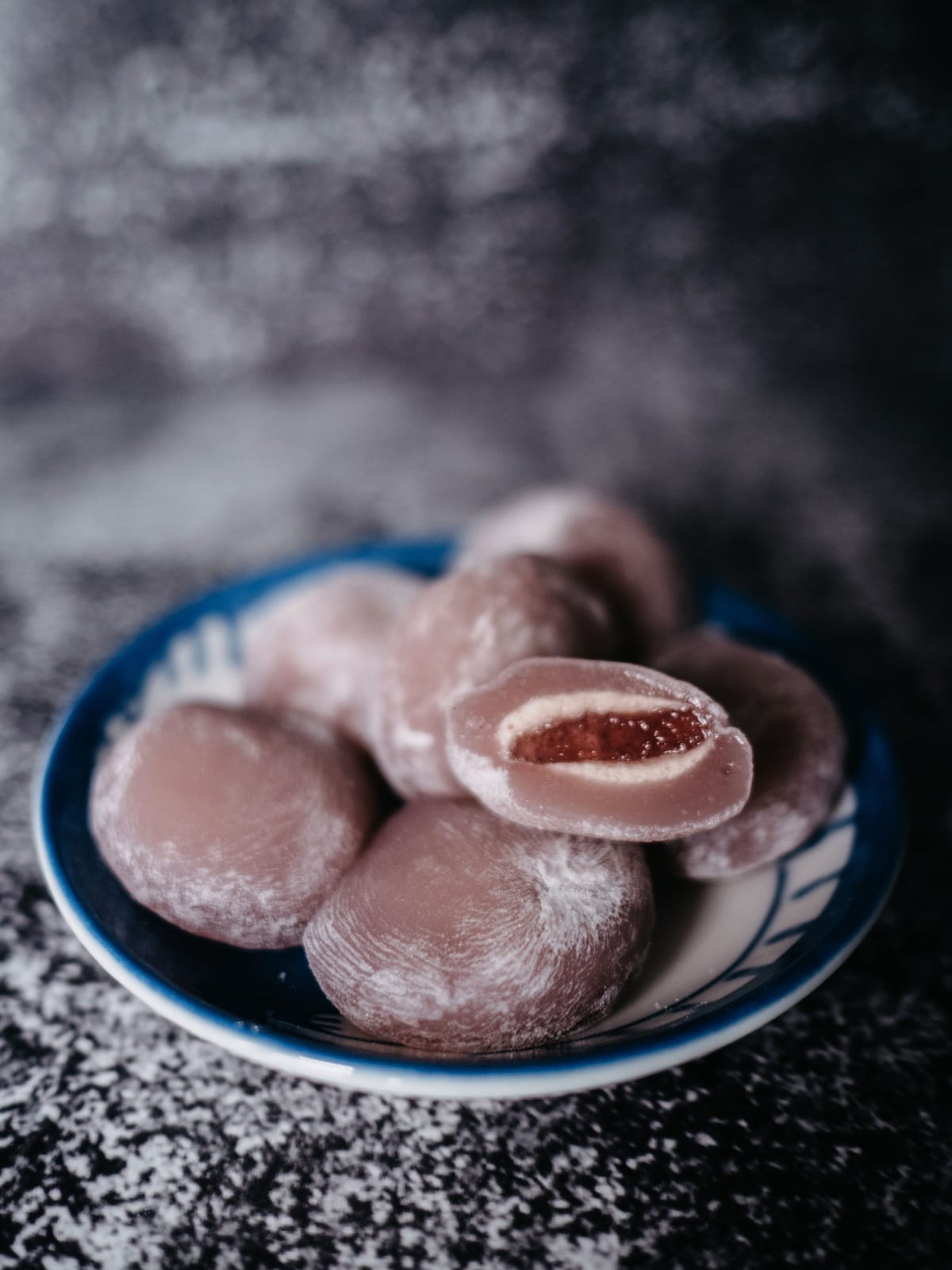
Daifuku with a whole strawberry inside belong to these weeks only
Namagashi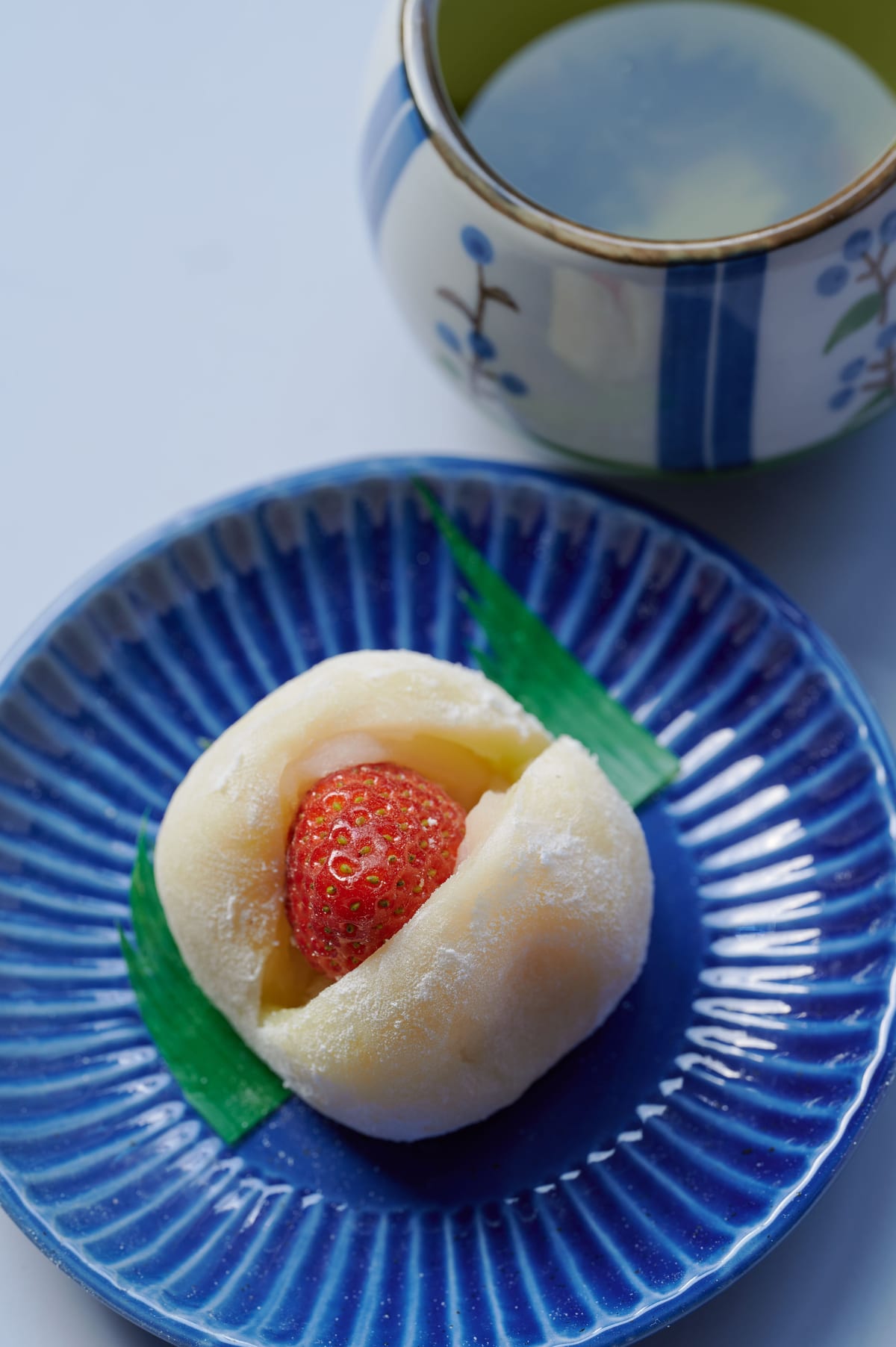
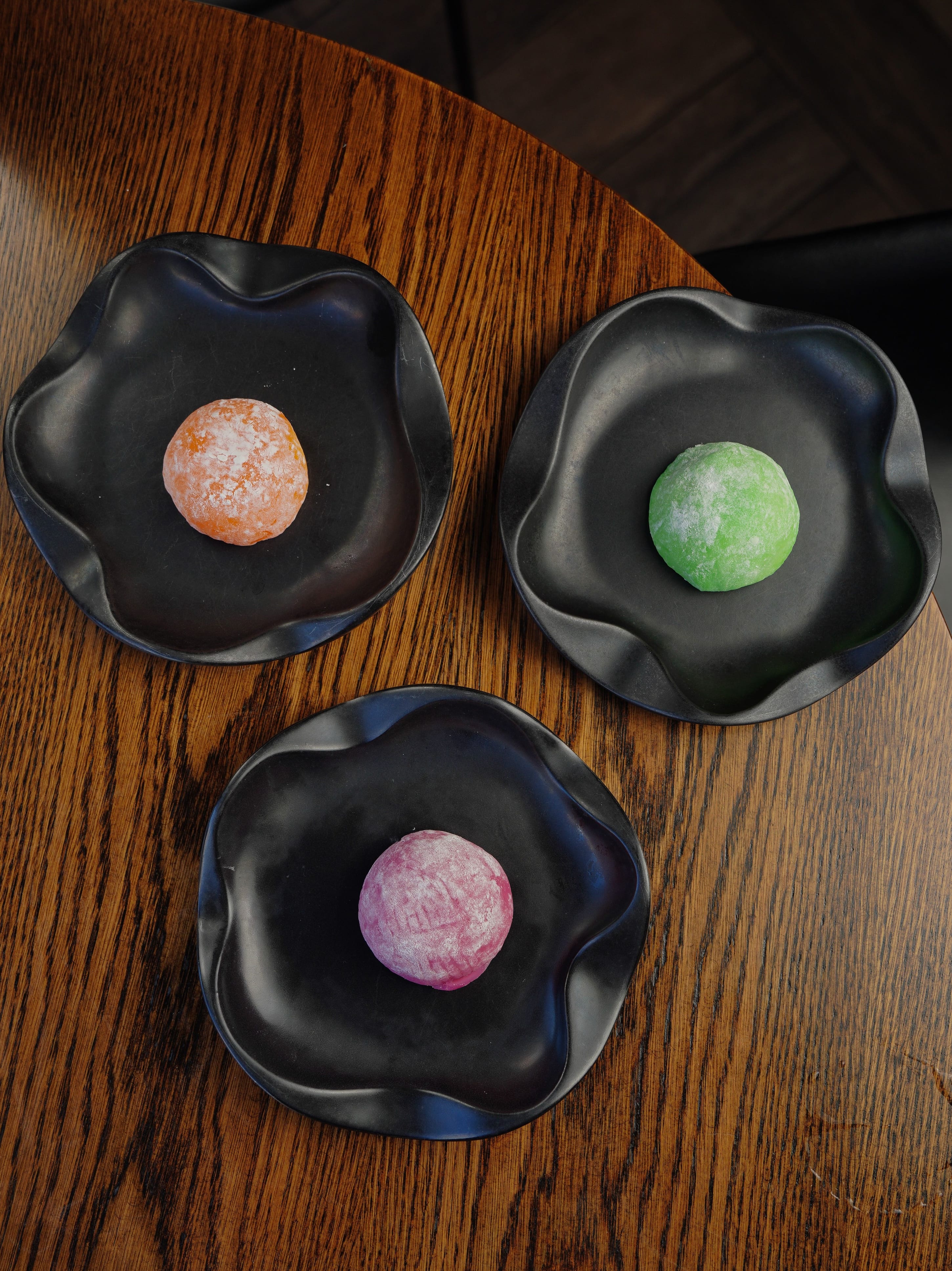
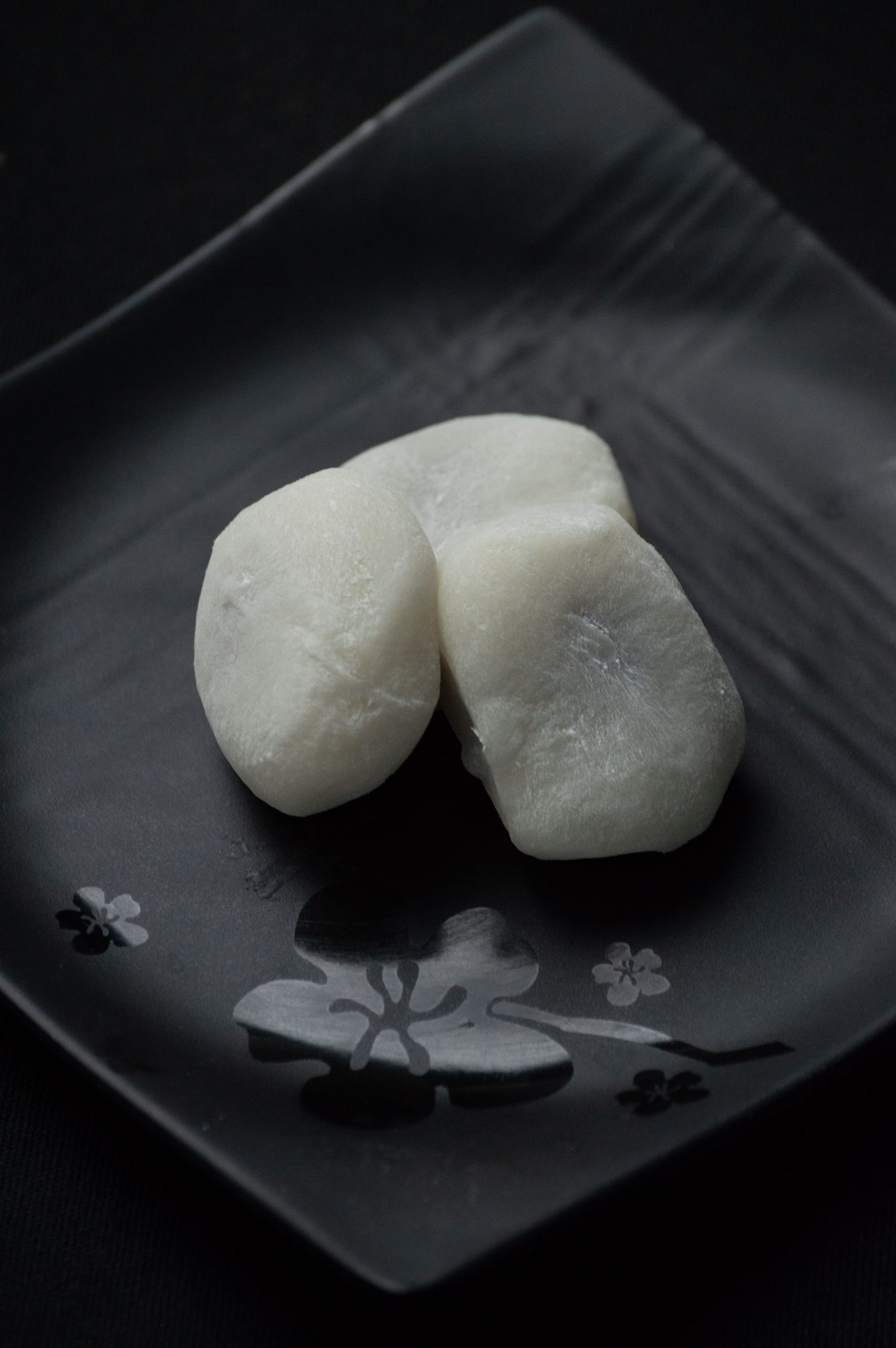
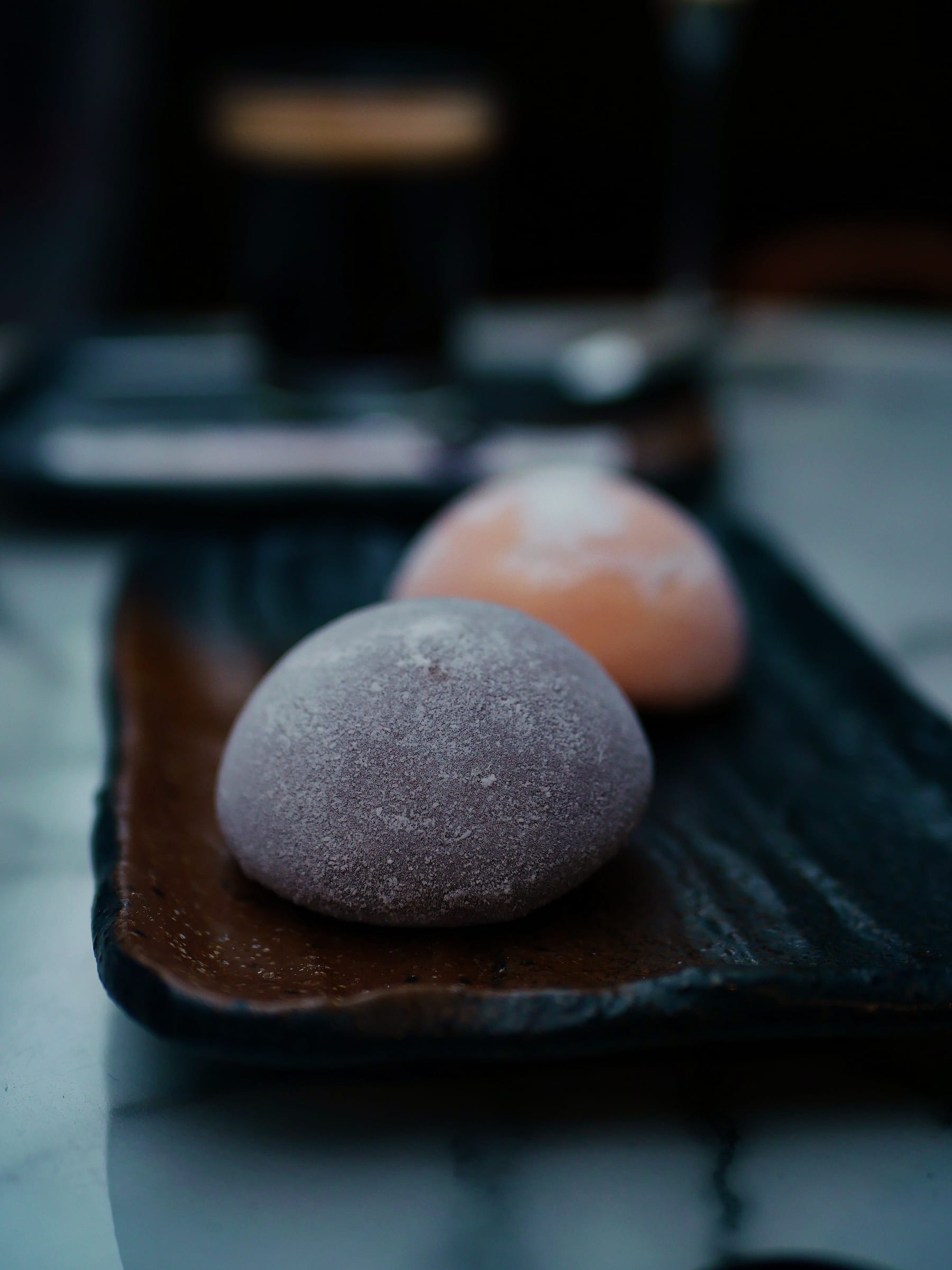
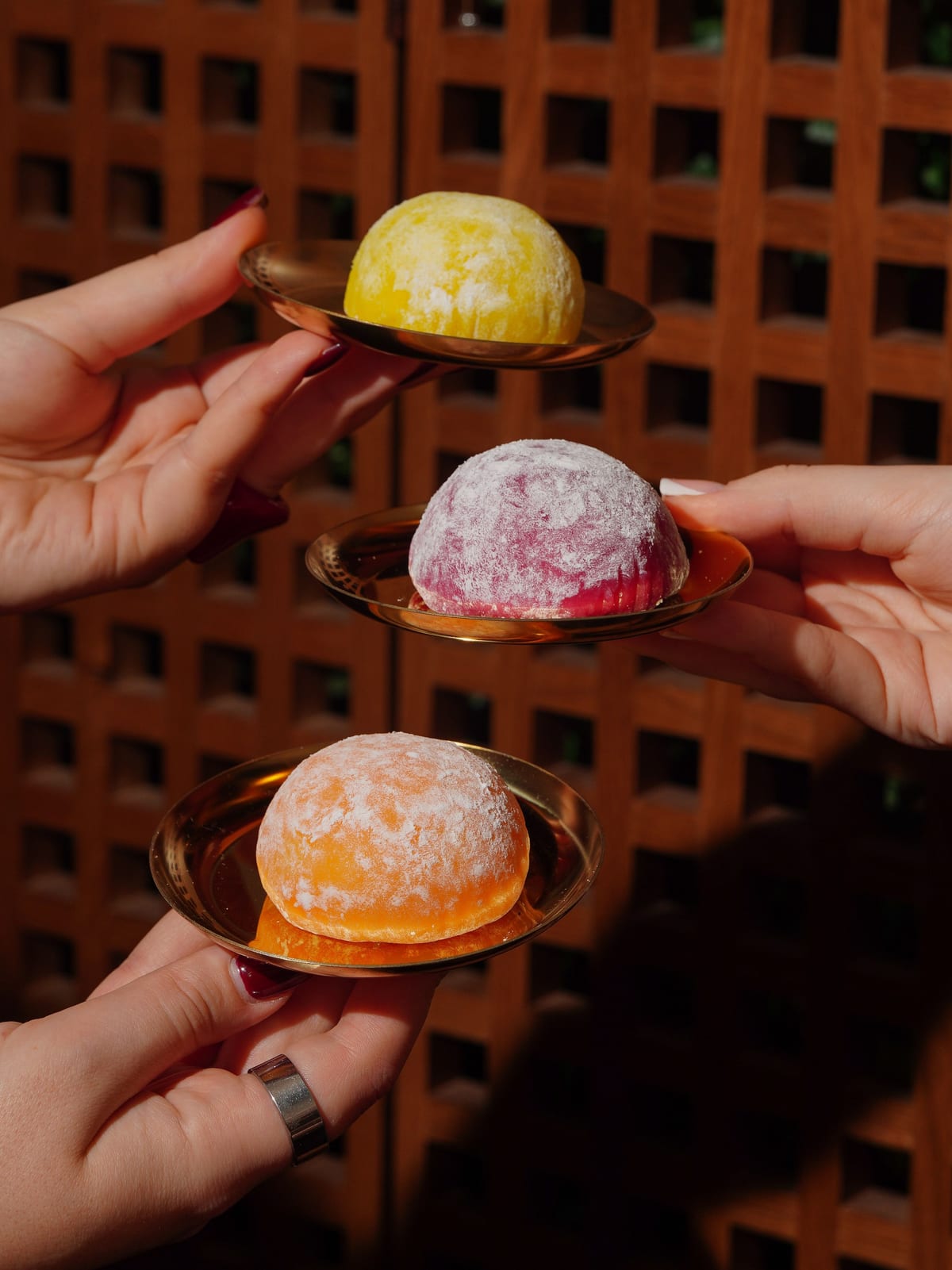
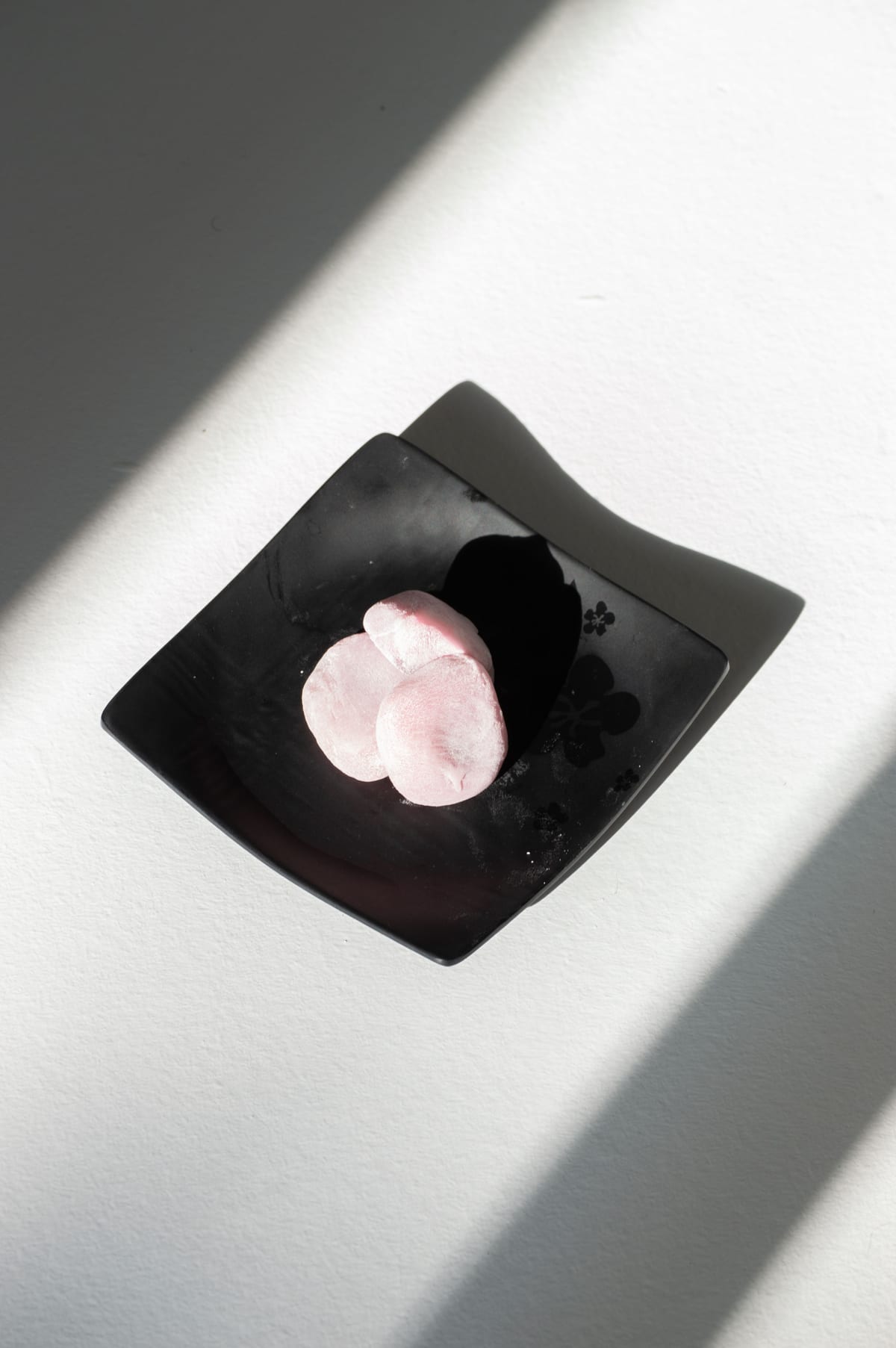
The namagashi are made each morning, and only that day’s batch goes out.
Some days they are gone by late afternoon.
For five pieces or more, please call the day before.
On the day itself we will wrap whatever is left.
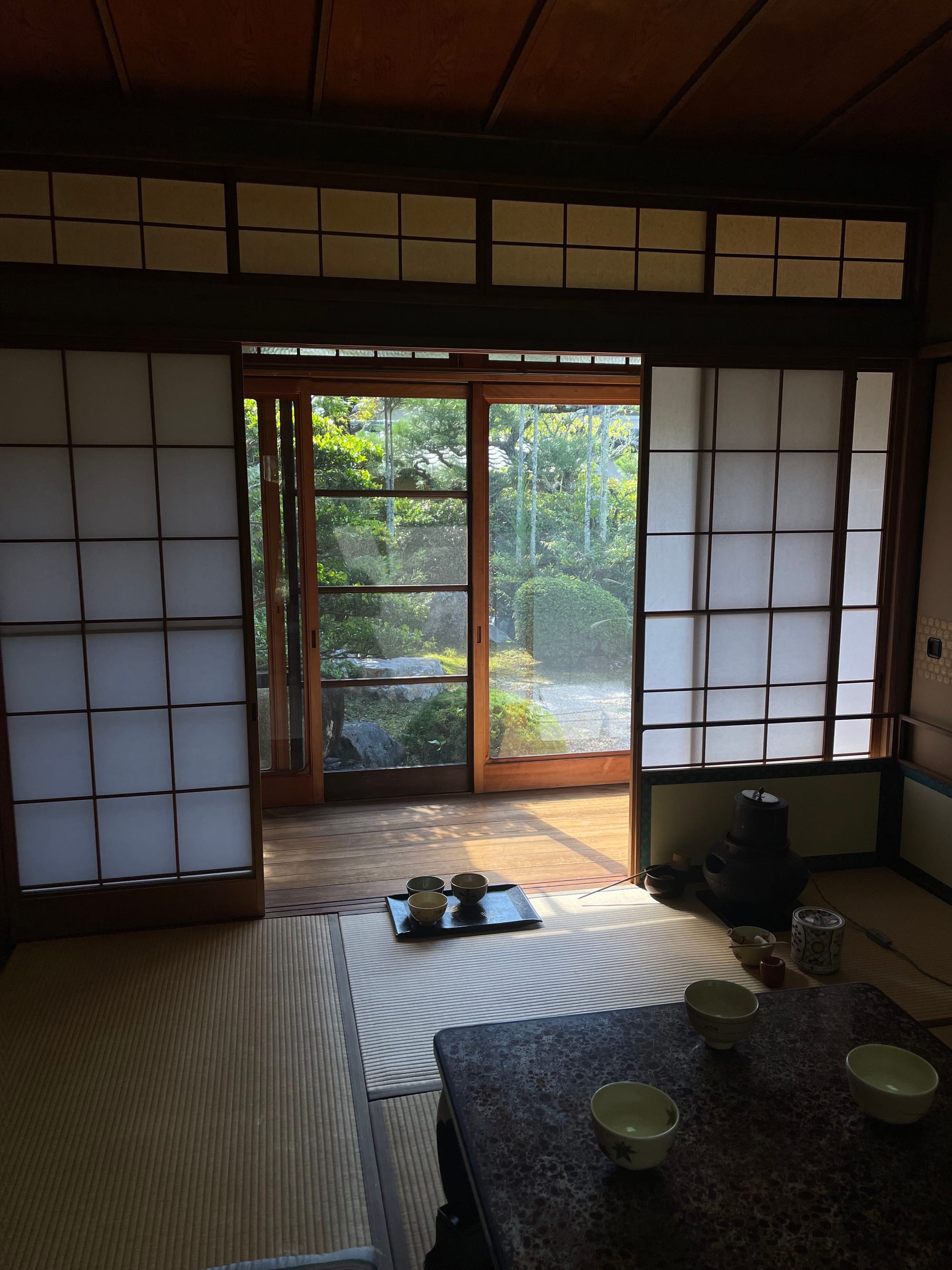
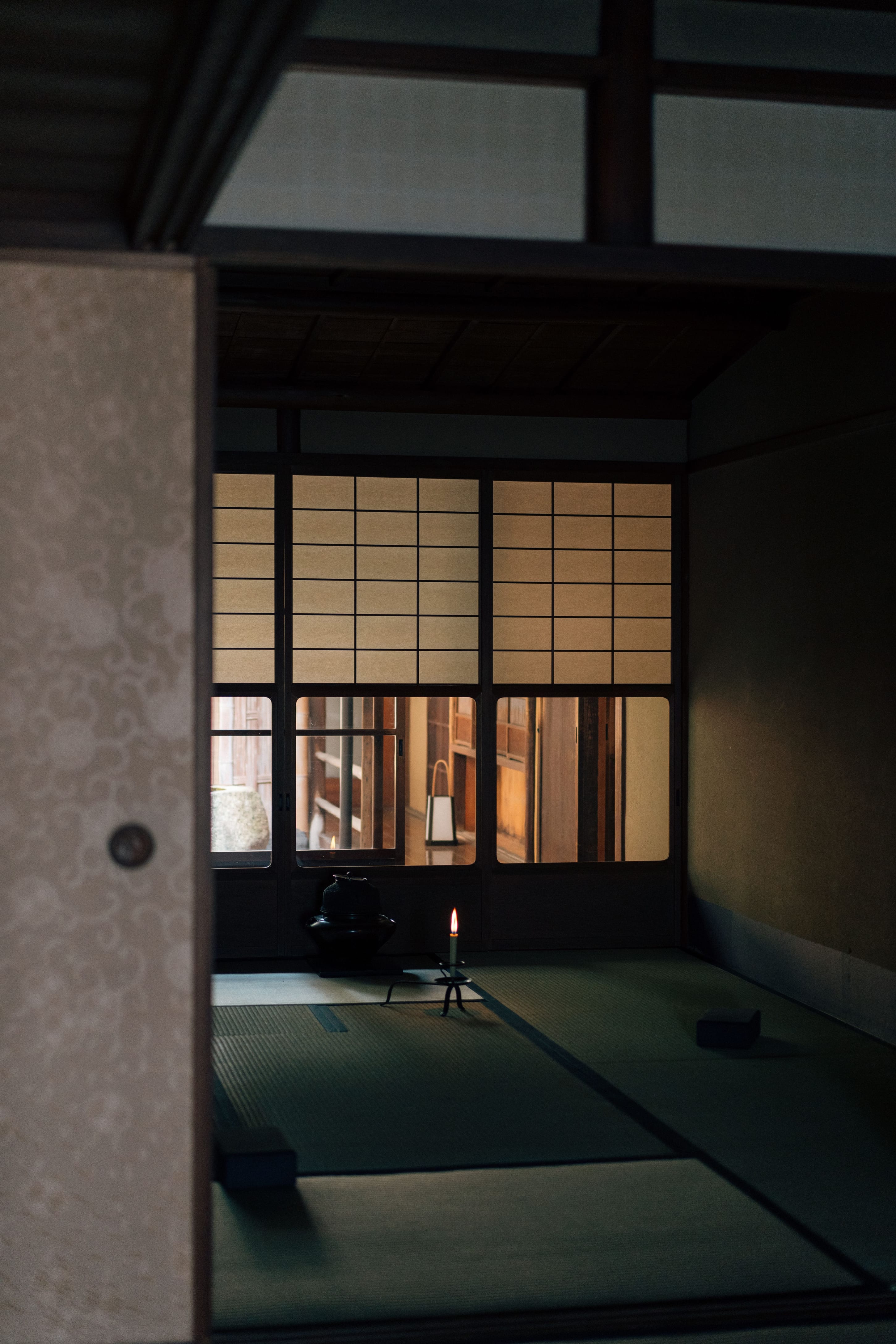
The tea room seats six. One guest is as welcome as four.
See the menu
Kaho Sasame makes wagashi in Higashiyama, Kanazawa.
The namagashi are made each morning, only as many as that day needs.
The azuki soak overnight and are cooked first thing.
Designs change about every ten days, so the same sweet appears once or twice a year.
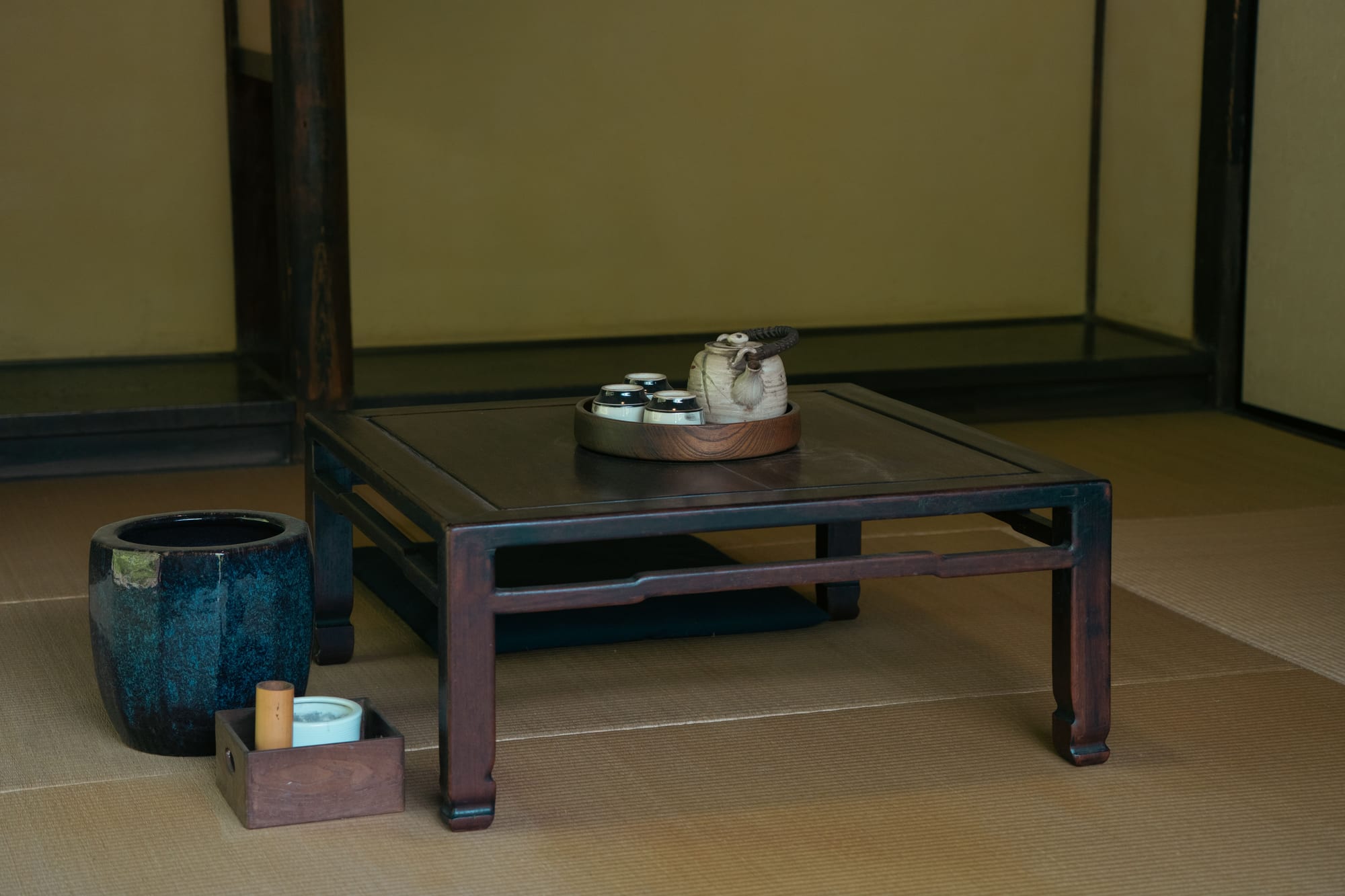
Six seats sit at the back of the shop.
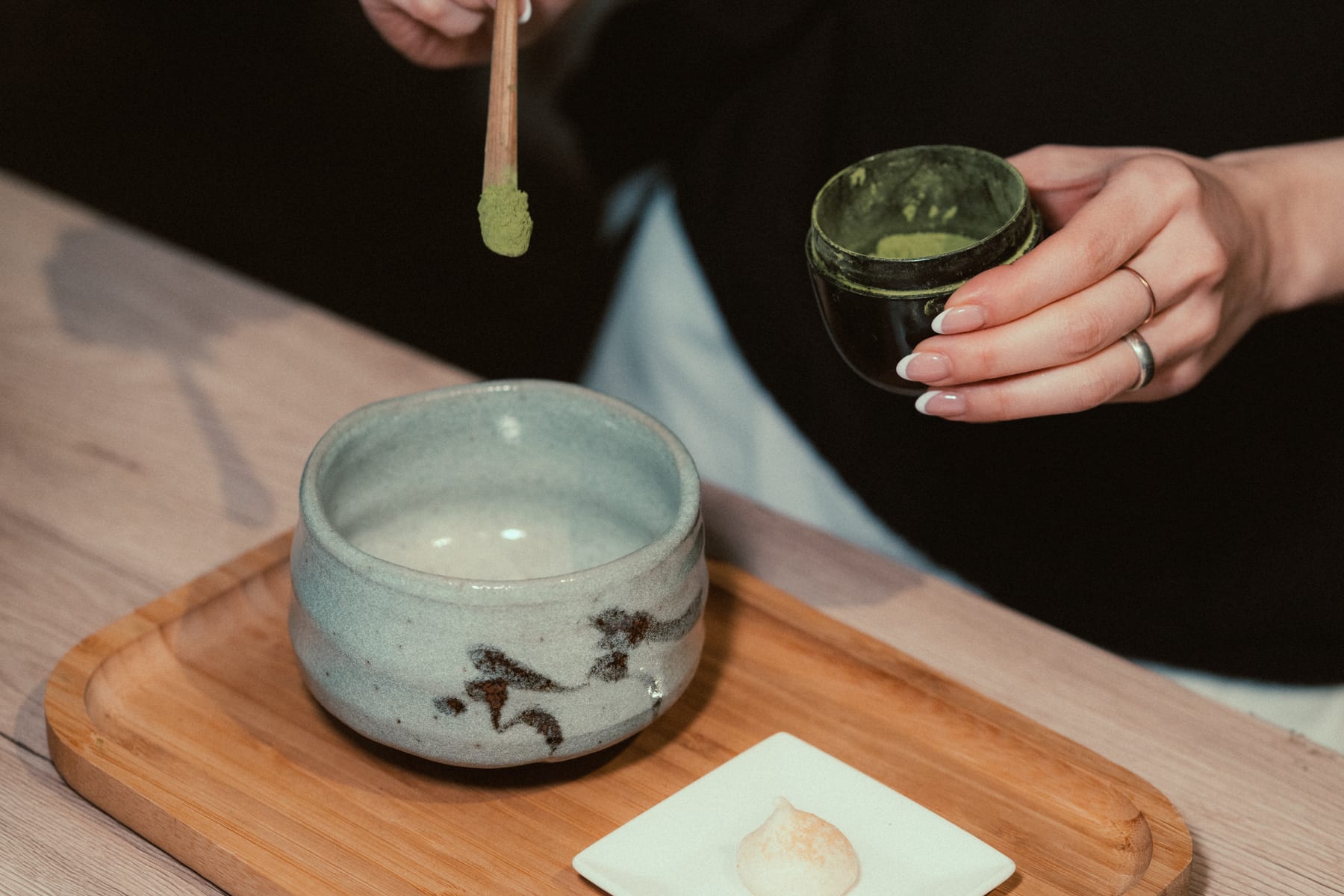
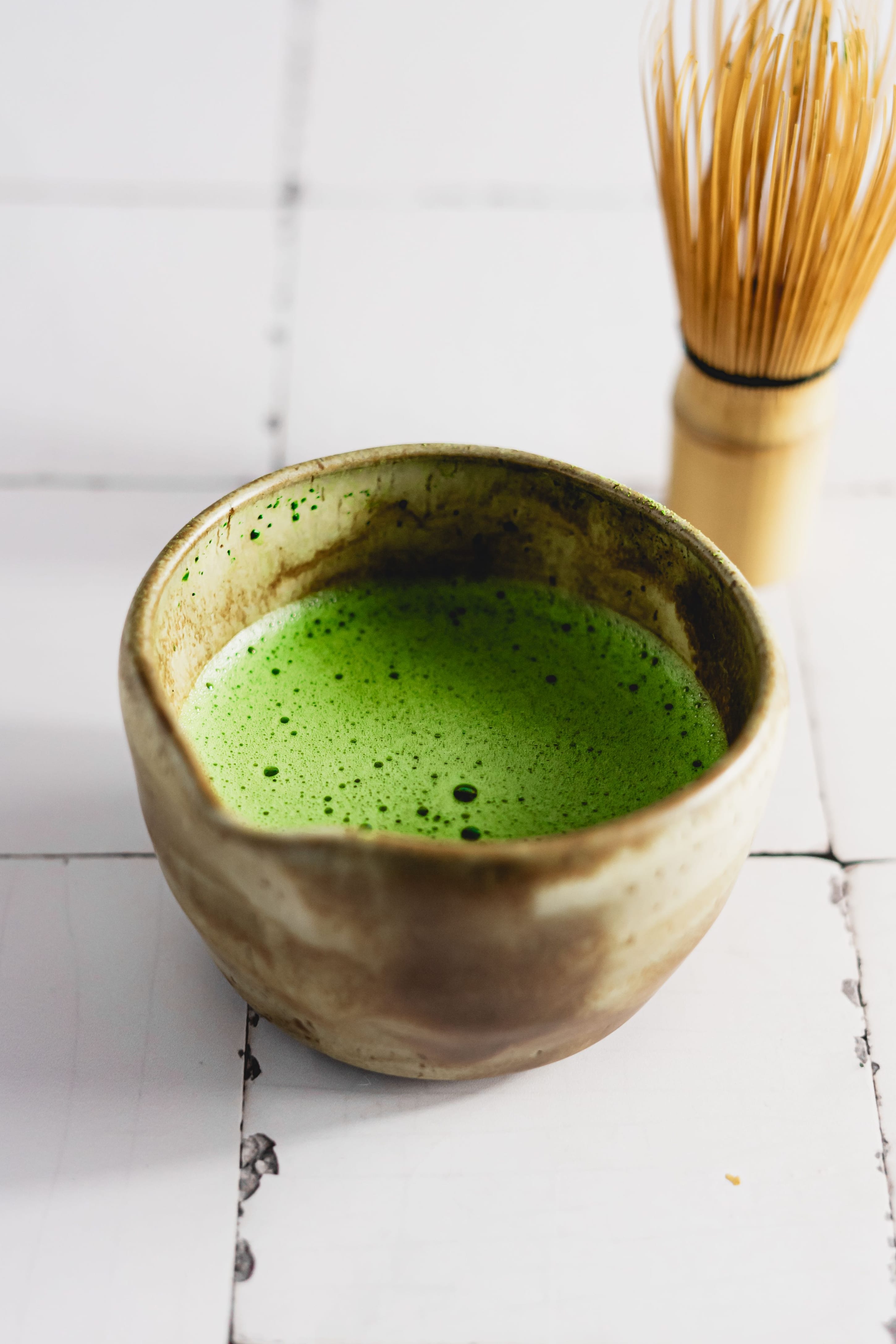
Thin matcha is whisked after you order, and the sweet comes out of the box in front of you.
We did not want a shop you can only carry things out of,
so we kept somewhere to sit and eat.
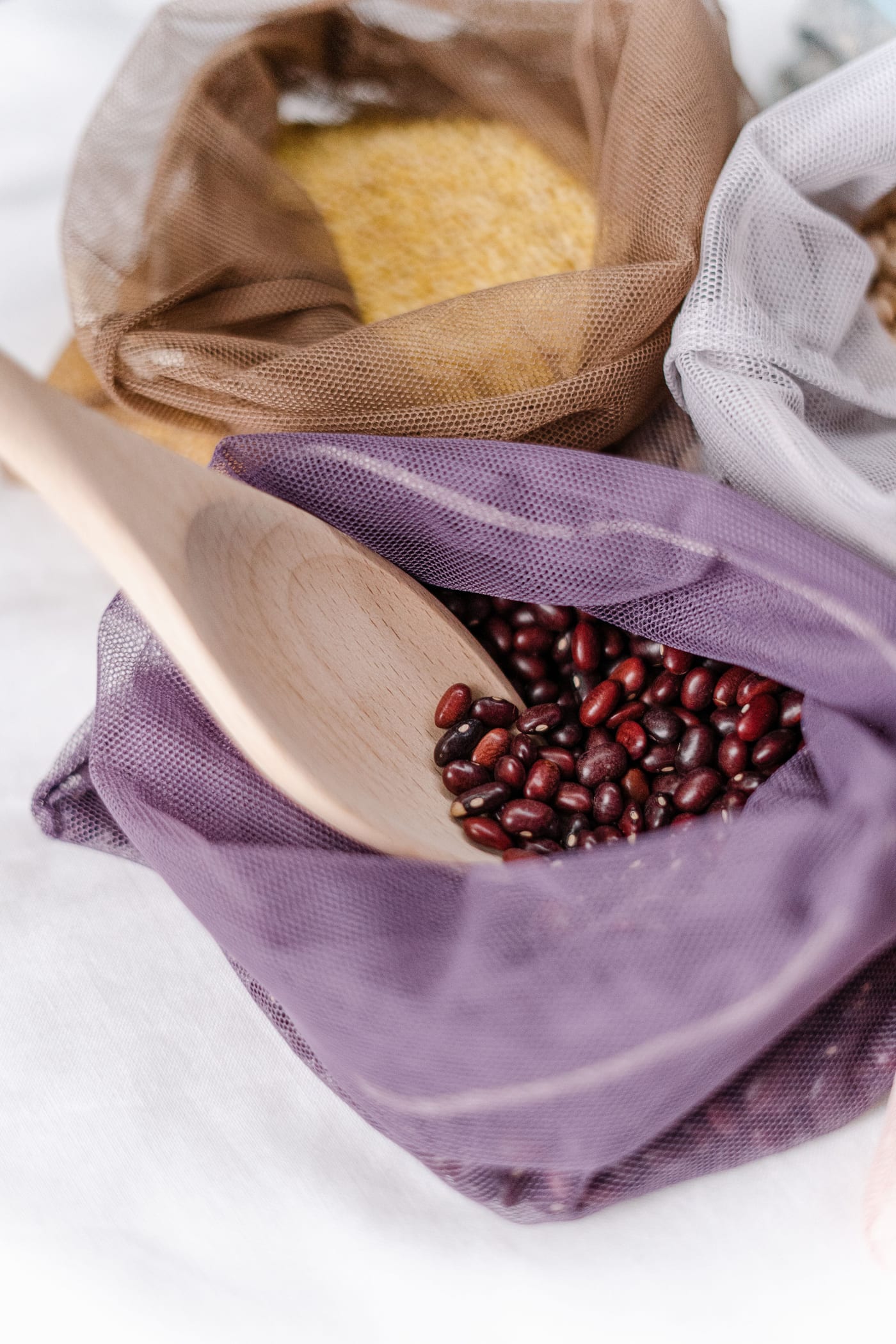
Azuki from Tokachi in Hokkaido, sorted for even size before cooking. We change the water twice and use the paste the day it is made.
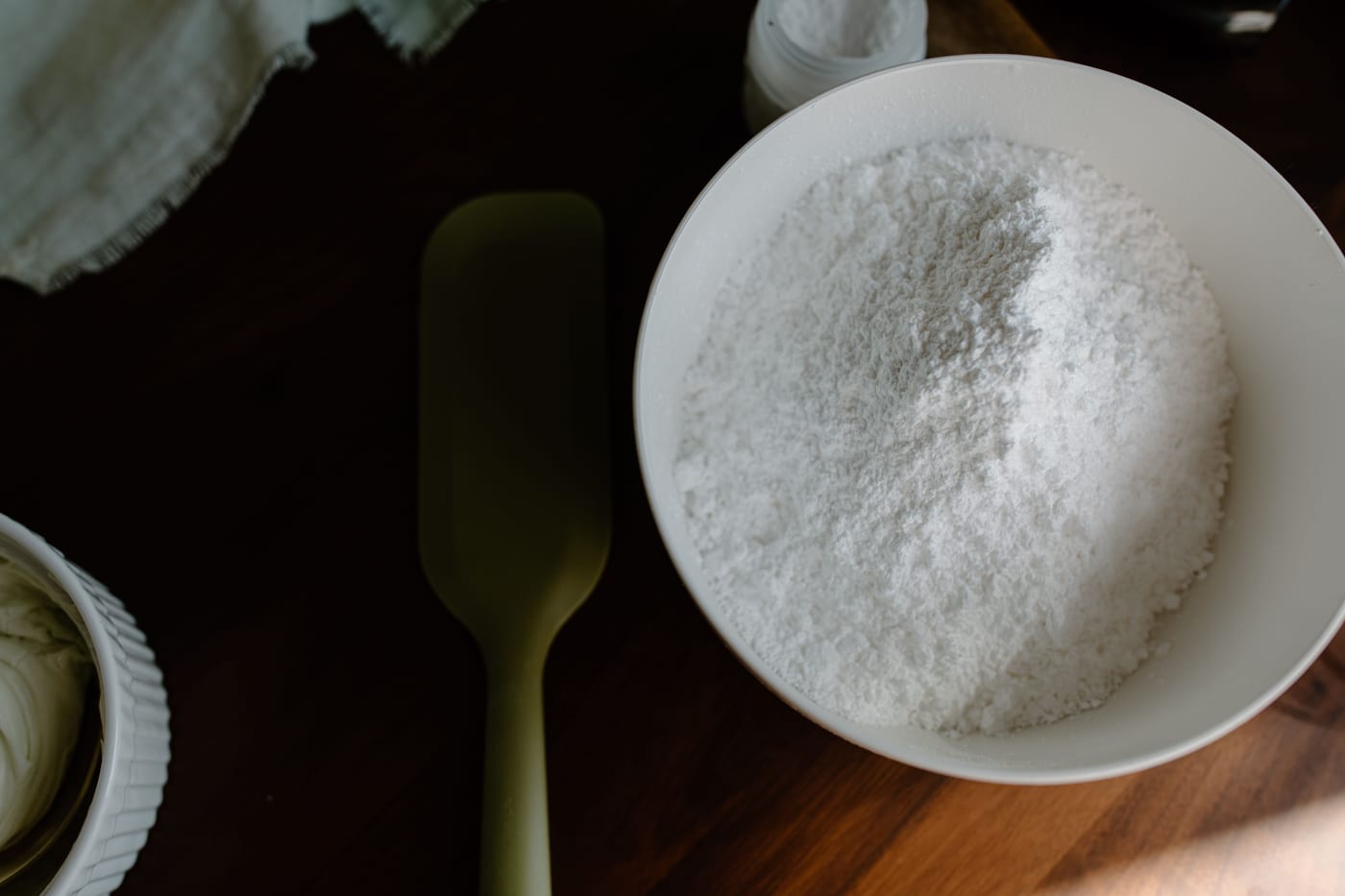
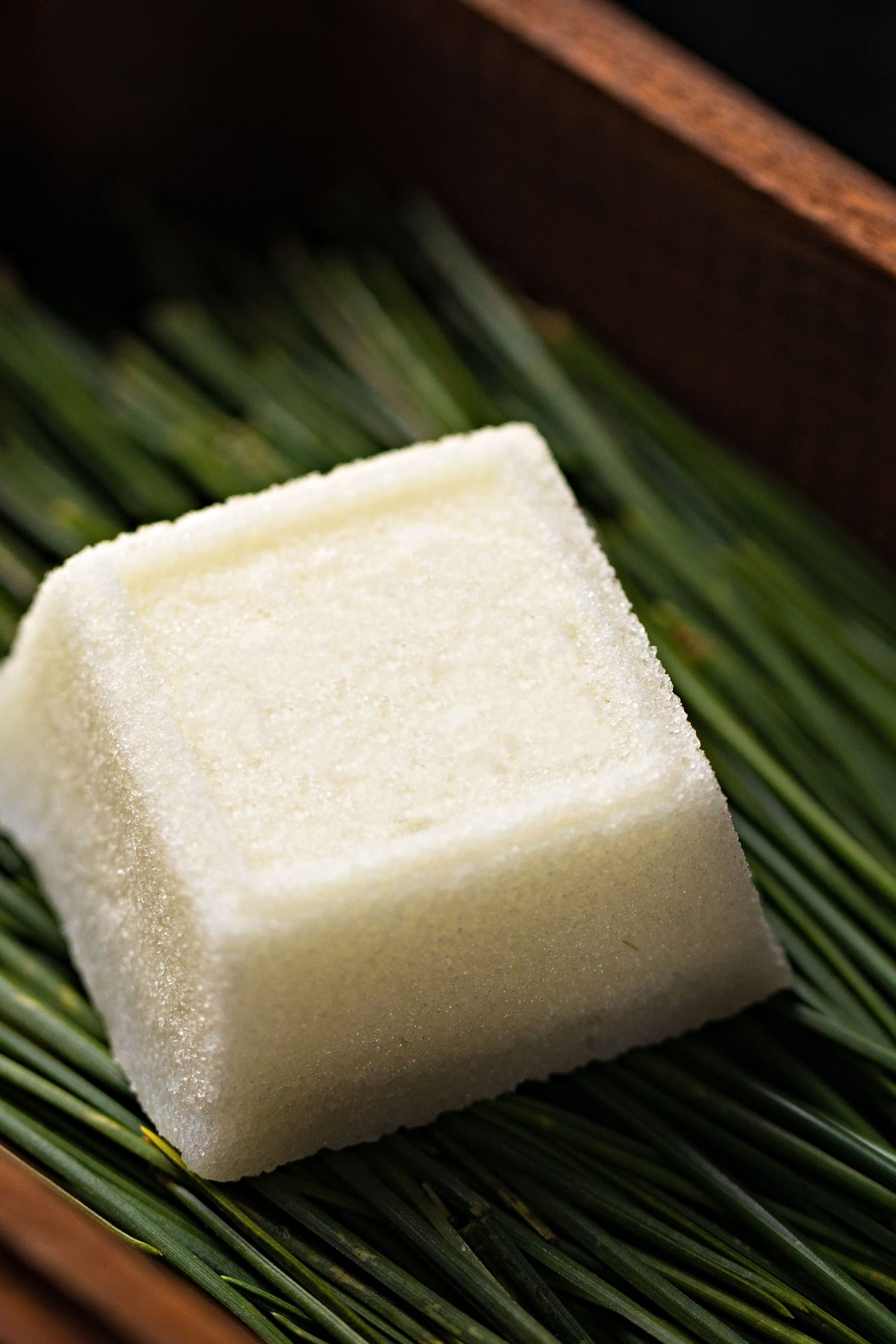
The higashi and the nerikiri are sugared with wasanbon from Tokushima. The grain is fine, so nothing catches on the tongue.
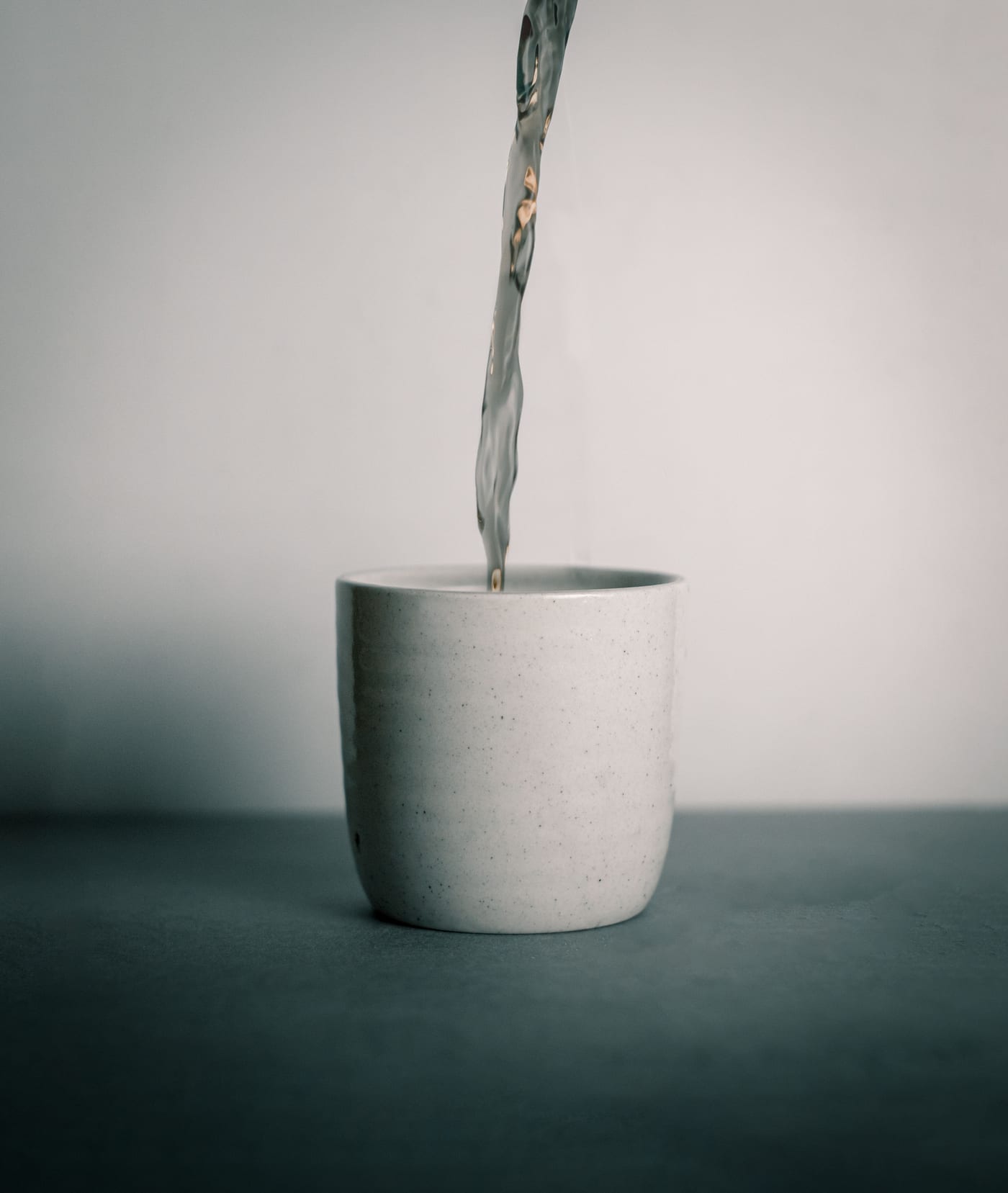
The same groundwater cooks the beans and boils for the matcha. It is soft, and it does not flatten the smell of the azuki.
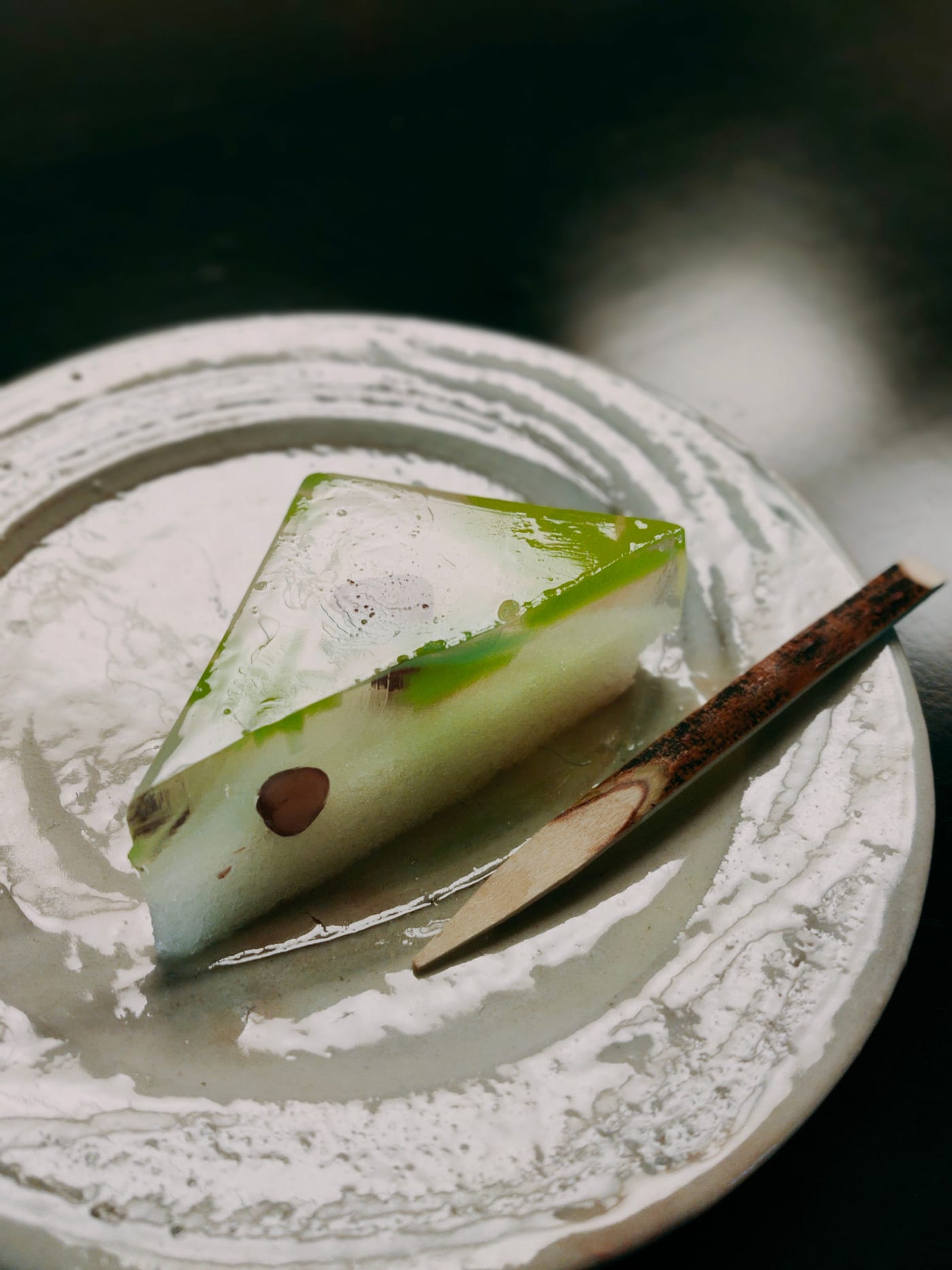
The yokan is set with stick agar, and not much of it. It keeps for less time, but the cut face stays soft.
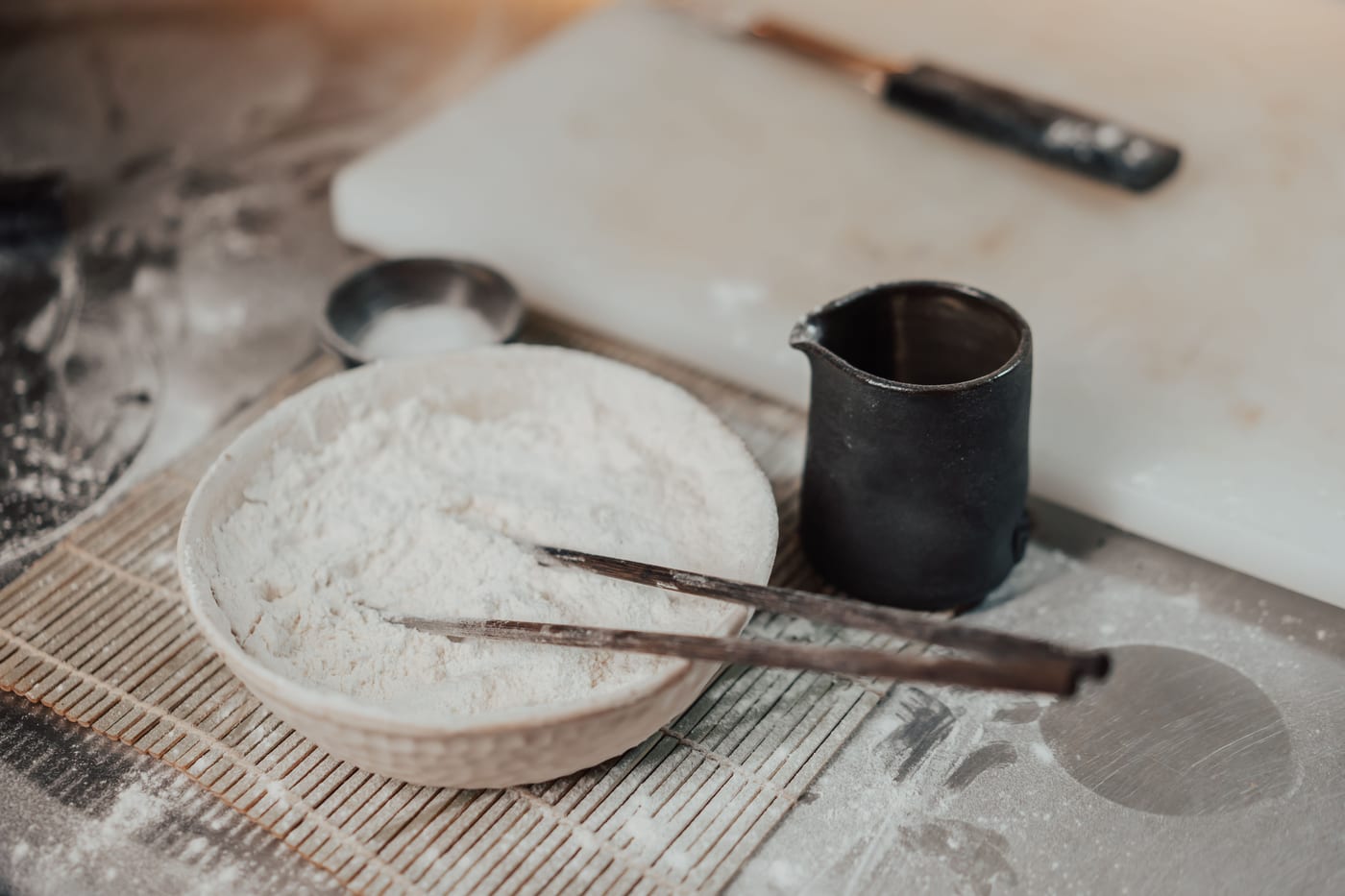
Gyuhi and kuzu-zakura call for different rice flours, joshinko or shiratamako. Both are milled from rice grown in Japan.
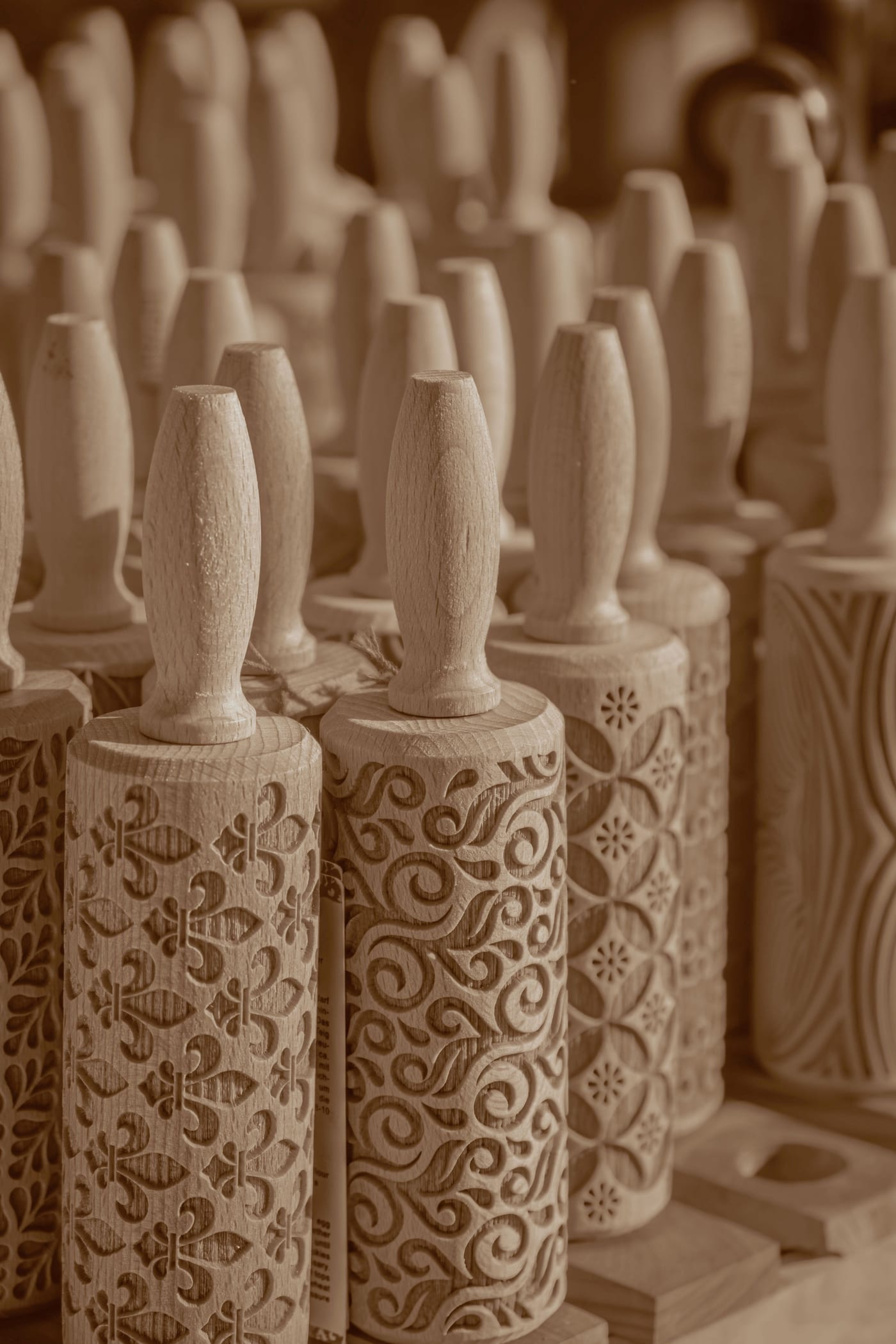
The namagashi designs change about every ten days. Some of the wooden moulds came from the previous owner; others we had carved.
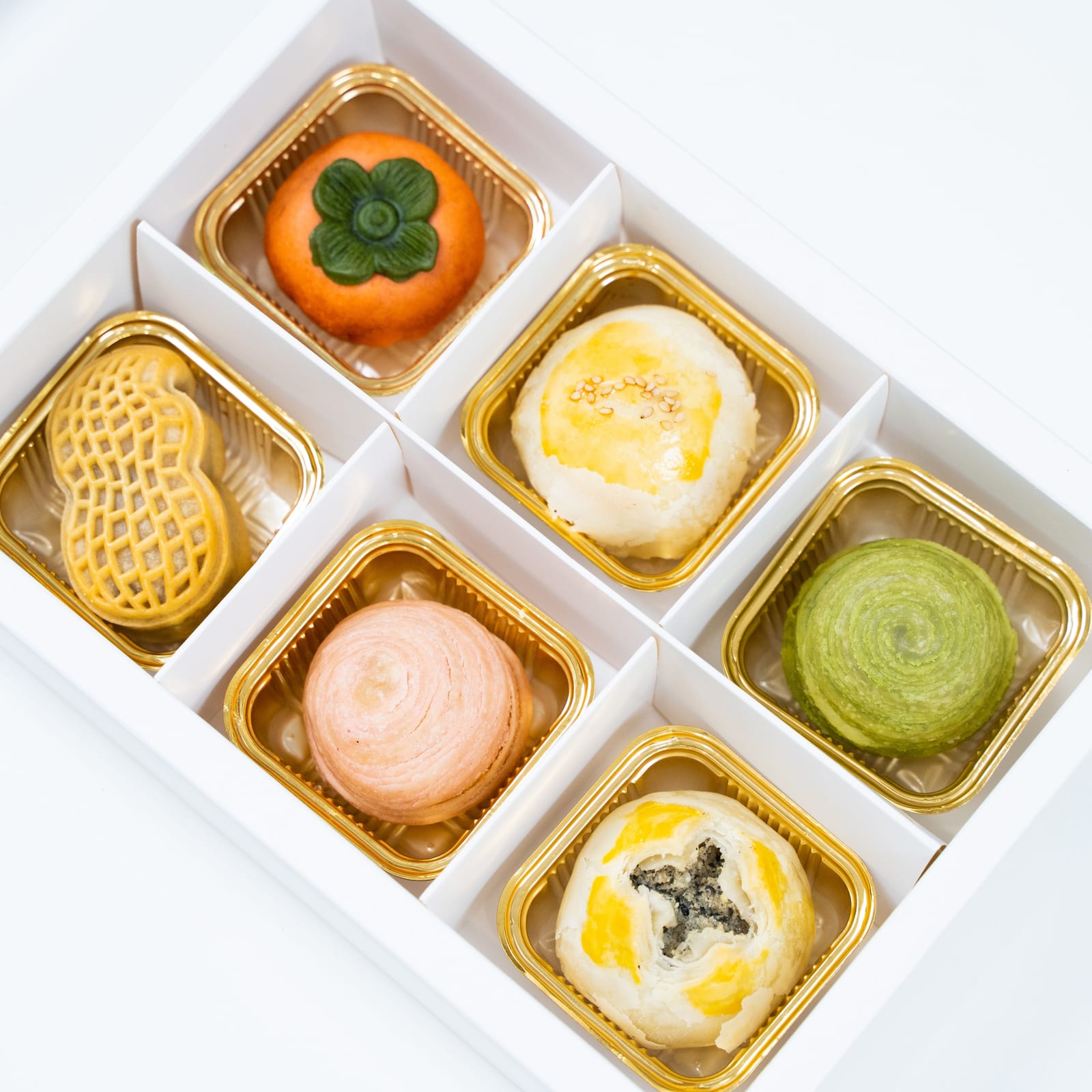
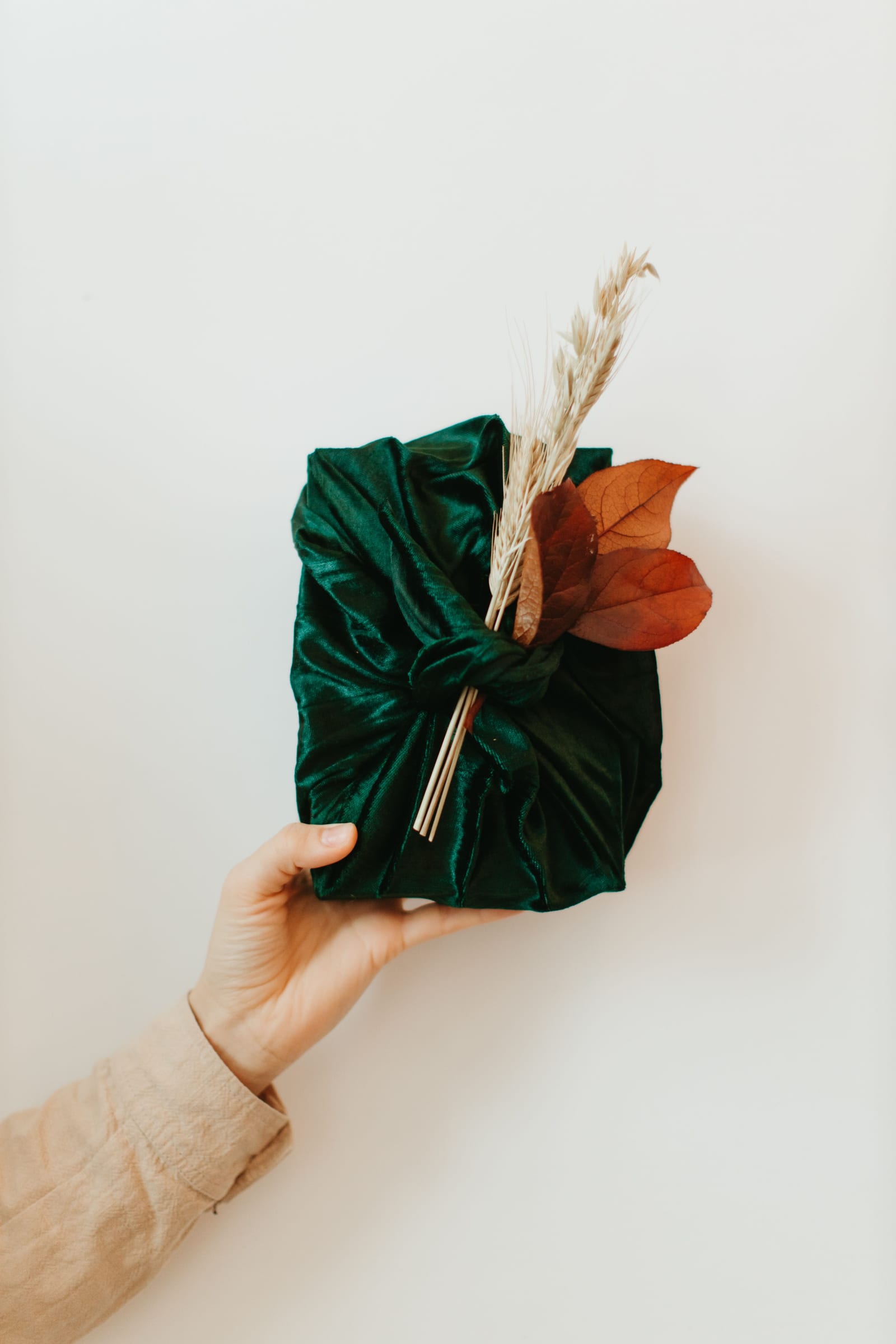

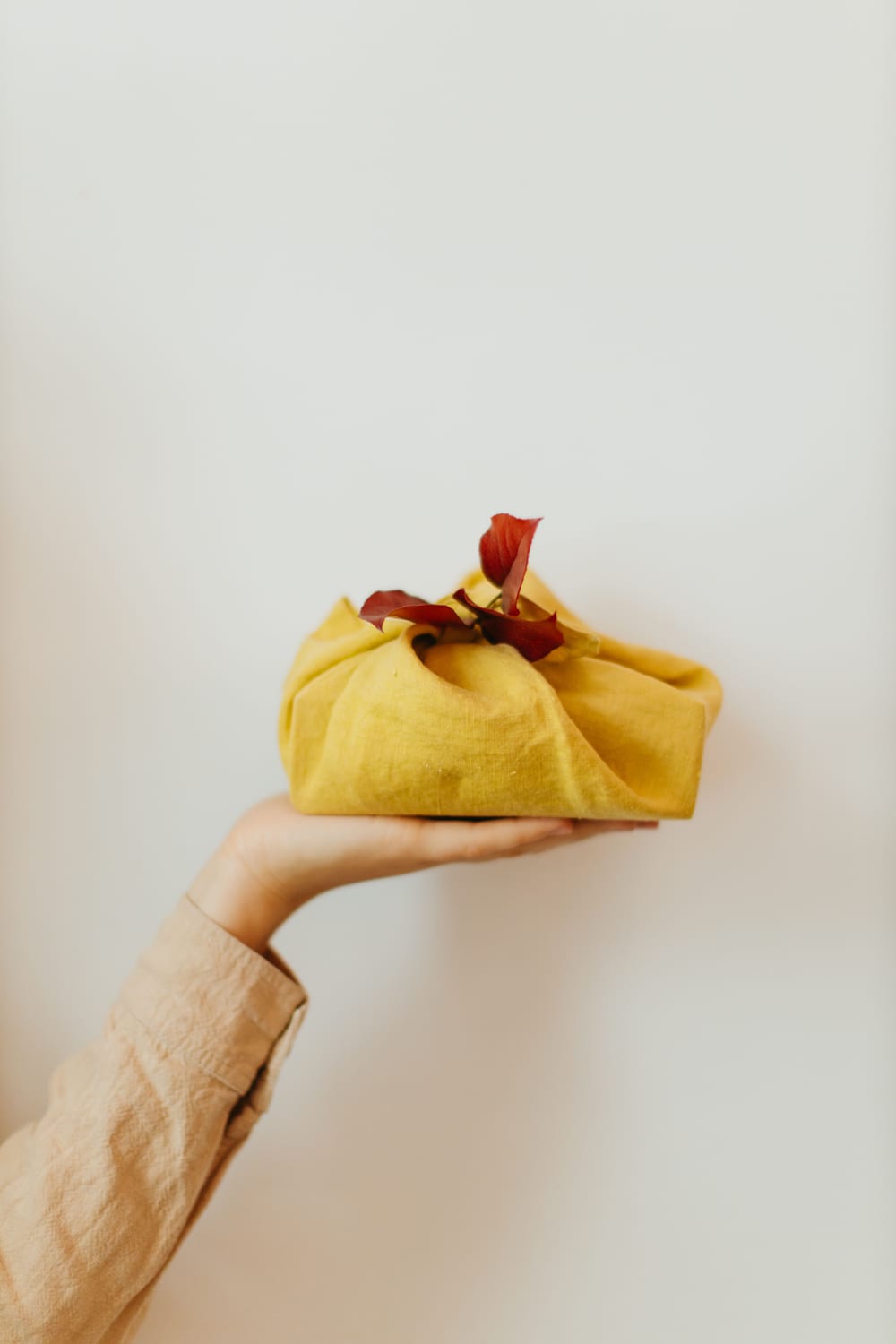
(GIFTS & FAVOURS)
Favours for a memorial, boxes for an engagement, a seasonal call on someone.
You choose the box size and what goes in it, there and then.
Ten boxes or more need three days’ notice; noshi paper and wrapping cost nothing.
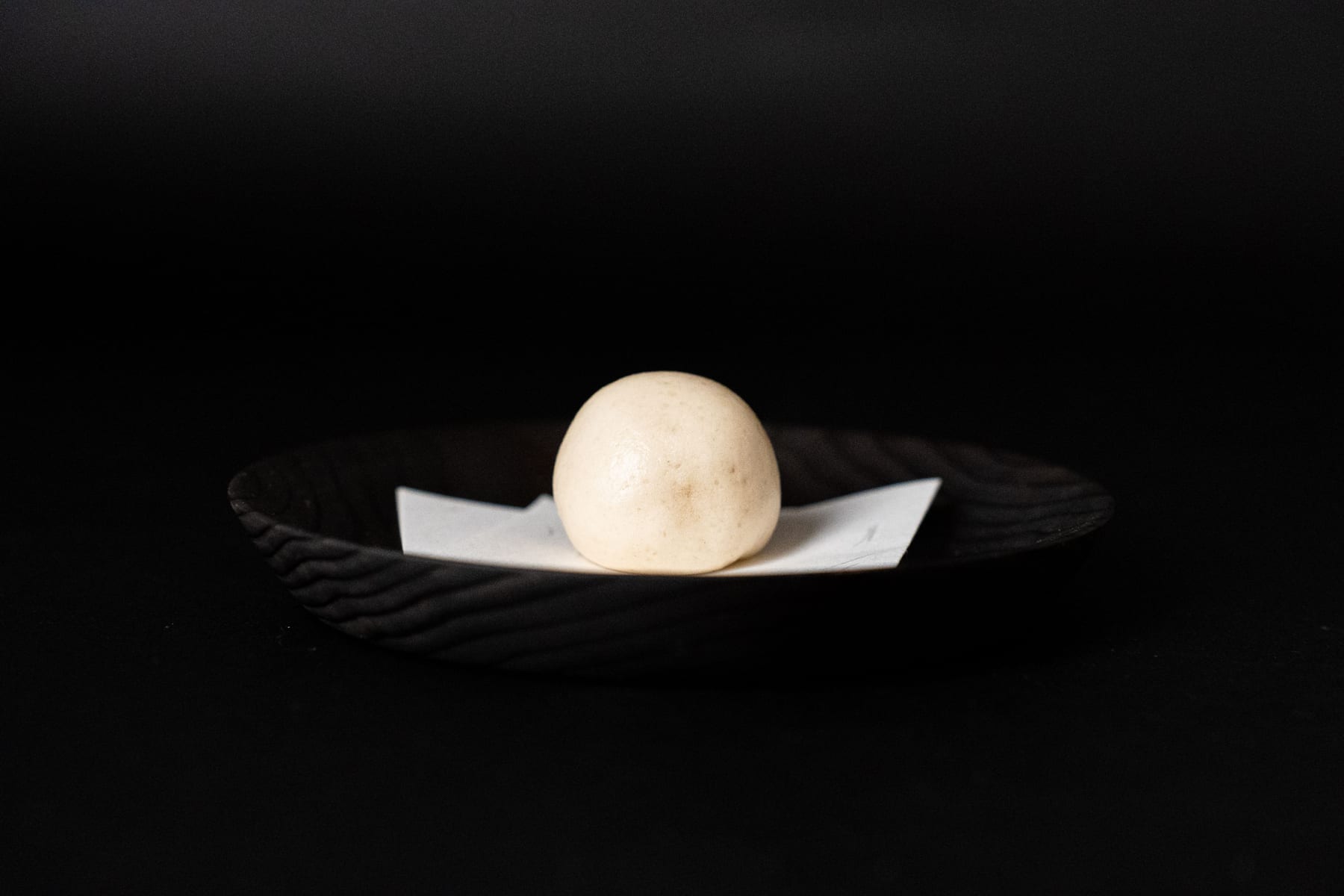
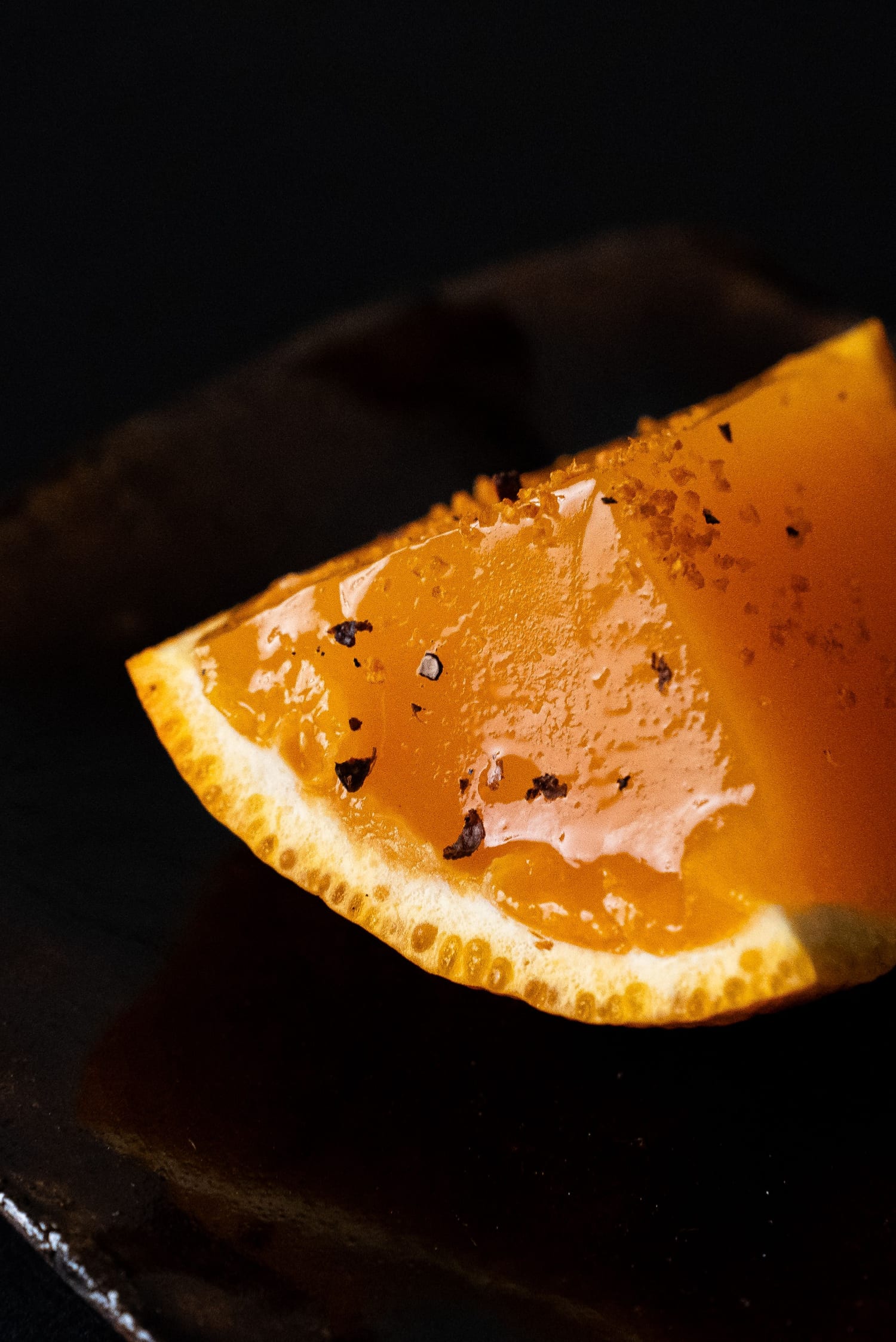
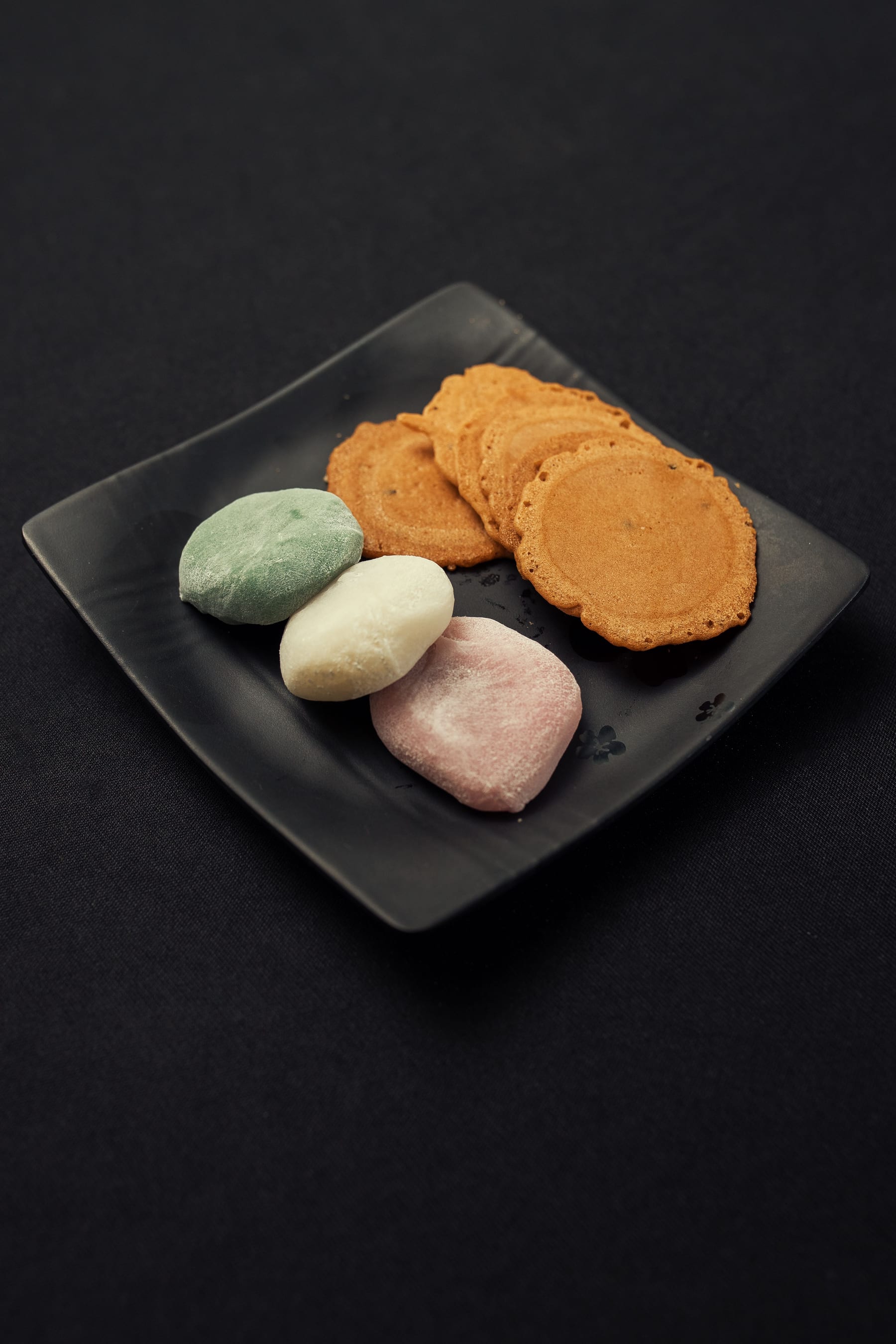
(NATIONWIDE SHIPPING)
Monaka, yokan and rakugan travel anywhere in Japan by parcel post.
Call before noon and the box leaves the same day, arriving in one or two days.
Namagashi do not keep, so they are sold over the counter only.
March - May
Prices include tax. Namagashi are made fresh each morning, in that day’s quantity only.
June - August
Prices include tax. Namagashi are made fresh each morning, in that day’s quantity only.
September - November
Prices include tax. Namagashi are made fresh each morning, in that day’s quantity only.
December - February
Prices include tax. Namagashi are made fresh each morning, in that day’s quantity only.
(QUESTIONS)
Yes, please eat them the day you buy them.
A refrigerator hardens the bean paste, so a cool room keeps them better.
If you need something for tomorrow, take monaka or yokan instead.
You can. We only put out what was made that morning, so the choice thins by late afternoon.
For five pieces or more, a call the day before makes it certain.
On the day itself we will wrap whatever is left.
Six. We do not take reservations.
When they are full you can wait outside, or we will box the sweet for you.
Most people who sit here come alone.
Yes, at no charge. Tell us the wording and the name.
For ten boxes or more, three days’ notice helps us.
For one or two we will write it while you wait.
We send monaka, yokan and rakugan anywhere in Japan by parcel post.
They keep fourteen, twenty and thirty days respectively.
Namagashi do not keep, so we do not ship them.
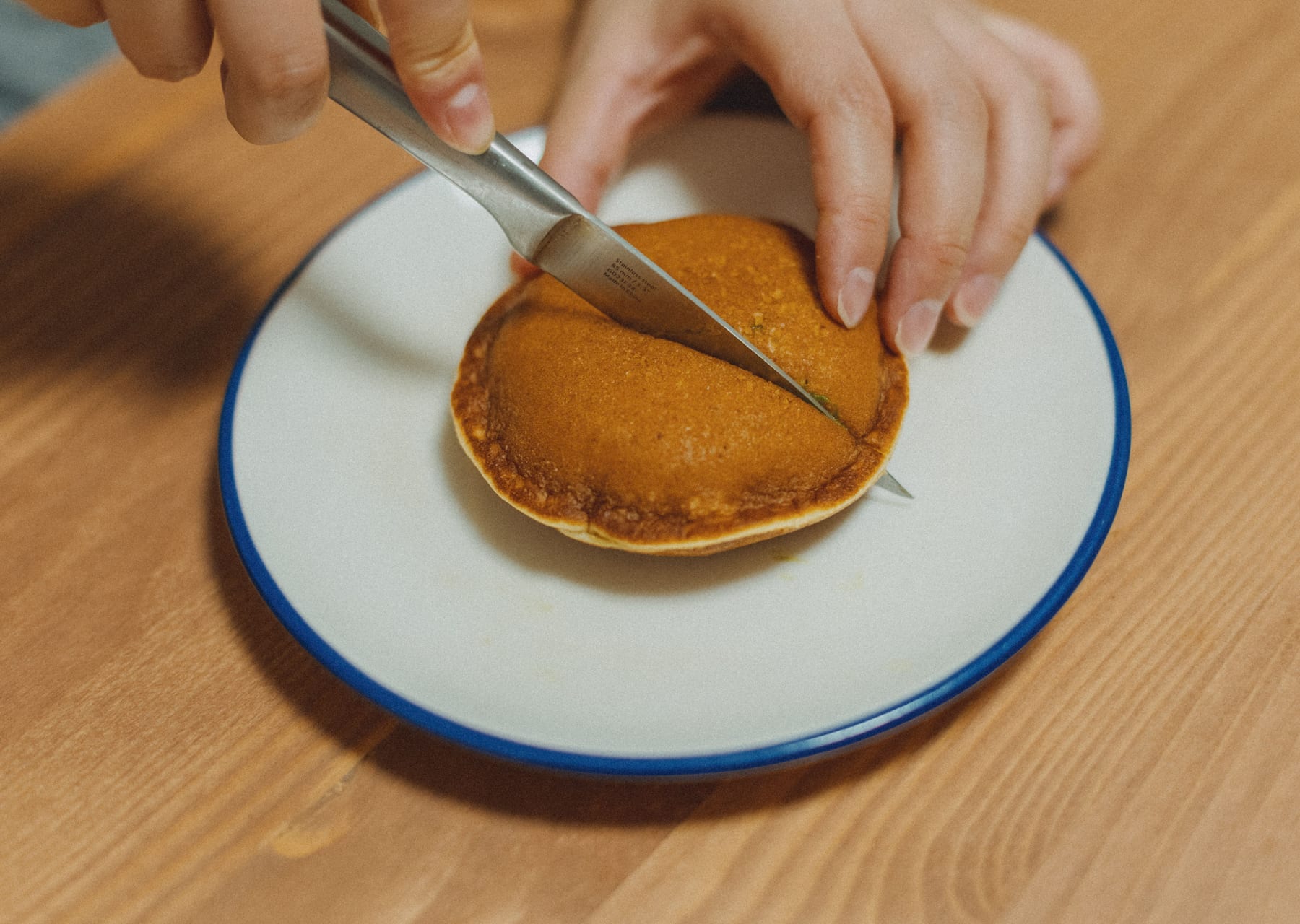
Egg goes into the dorayaki batter. Nothing else we make contains egg or dairy.
Wheat goes into the dorayaki batter as well.
If anything worries you, please ask us by phone.
On Monday morning we post the designs for that week’s namagashi.
If a sweet sells out we add a line the same day.
You can also ask about shipping in the same thread.
Kaho Sasame
0-0 Higashiyama 1-chome, Kanazawa, Ishikawa 920-0831, Japan
About 10 minutes by car from JR Kanazawa Station; 5 minutes on foot from the Hashiba-cho bus stop
There is no car park. Please use a coin car park nearby.
Open the map